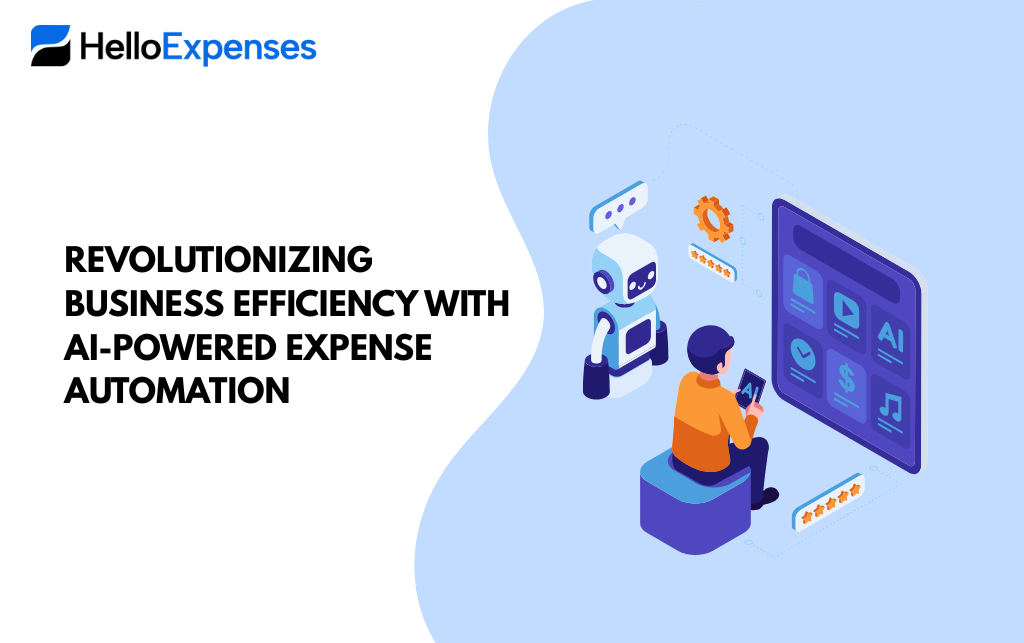
Cost control is a perennial operational struggle for all companies — large and small. Manual receipt capture, error-filled approvals, time-lag in reimbursements and disconnected data end up wasting finance/ accounting teams’ time as well as employees’. AI-driven expense automation flips the script on this state of affairs by leveraging intelligent data capture, automated workflows and ongoing learning—making processing faster, reducing errors and providing more visibility.
This post is aimed at explaining what AI-powered expense automation looks like in practice, how it works, practical steps for implementation as well as quantifiable results and what to keep in mind when driving the change.
How AI-Powered Expense Automation Works
Intelligent Data Capture
These AI models leverages optical character recognition (OCR) based on natural language understanding to find the important pieces of information on receipts and invoices such as vendor, date, amount, tax, and line items. Contrary to a rule-based manner, AI learns to recognize an array of formats, handwriting and multiple language documents over time thus improving extraction accuracy.
Automated Workflows
When data is entered, configurable workflows send expenses for approval per policy, amount threshold and role. Automatic matching connects costs directly to business cards, purchase orders or travel reservations and cuts down manual reconciliations and processing times.
Continuous Improvement
Machine learning features study past corrections and approver actions for more accurate categorization, anomaly detection, and exception prioritization. The system “learns” typical patterns and diminishes the amount of manual intervention.
Practical Benefits for Businesses
Faster Processing and Reconciliation
Machine learning features study past corrections and approver actions for more accurate categorization, anomaly detection, and exception prioritization. The system “learns” typical patterns and diminishes the amount of manual intervention.
Reduced Errors and Fraud Risk
Automating the capture and reconciliation of data compresses that cycle between submittal and settlement. Quicker processing means better visibility into cash flow, less outstanding debt, and less time spent on administrative finance work.
Cost Savings and Productivity Gains
Less manual work translates to less processing cost per transaction and more time for staff members to dedicate to strategic issues such as analysis and vendor management. Productivity improvements are realized in departments that the used to dedicate hours reviewing expenses.
Better Compliance and Audit Trails
Robotic processes follow policy rigorously and create a full digital audit trail. Centralized searchable logs make internal and external audit efficient and painless as well as enable compliance with regulations.
Steps to Implement Expense Automation
Map Current Processes
Capture current expense submission, approval and payable settlements processes. Also pinpoint bottlenecks, error hotspots and where you are integrating with accounting and payroll systems.
Define Clear Policies and Approval Rules
Standardize the categories of spending that can be submitted, approval limits and proof needed. Well-defined policies allow for automation to consistently enforce rules and minimize exception.
Pilot with Targeted Use Cases
Begin with a pilot and concentrate on high-volume or high-cost expense types. Implement extraction accuracy correction, approval routing and exception policy based on pilot feedback before broader rollout.
Integrate with Financial Systems
Desktop automation also requires integration with general ledger, accounts payable, and card feeds to execute end-to-end. Take the manual re-entry and potential for discrepancies out of the equation by automating posting and reconciliation.
Train Teams and Monitor Adoption
Offer some short training to the staff & approvers focusing on the time-saving and compliance-related advantages. Track key adoption metrics and solicit feedback to optimize the user experience.
Measuring Impact: KPIs to Track
- Avg time to process expense: To track how fast expenses are from submission to reimbursement.
- Cost per transaction: Compute labor and overhead savings.
- Exception rate: Follow decreases in manual exceptions and corrections.
- Policy compliance rate: Track adherence and recognise where rules need to be clearer.
- Time saved for finance team: Measure hours spent on higher value work.
Monitoring these KPIs shows the ROI and indicates areas for additional improvement.
Addressing Common Challenges
Data Privacy and Security
Expense systems contain personal and financial data which is sensitive. Set up strong encryption, access controls, and retention policies. Secure the transportation of information between capture points and the financial systems.
Handling Exceptions Gracefully
No automation eliminates exceptions entirely. Build clear escalation paths, give approvers contextual information and the original receipt, and apply A.I. to prioritize high-risk exceptions.
Change Management
Moving from manual to automated systems takes communication and training. Early stakeholder involvement, quick wins and open feedback channels.
Integration Complexity
Integration can be a problem if you’re dealing with legacy systems and disparate data sources. Build in incremental basis, beginning from most important connectors and then widening as success is gained.
Best Practices for Long-Term Success
- Begin small and grow: Test high-impact areas prior to full organization deployment.
- Invest in quality data: Clean master data helps with categorization and reporting.
- Be consistent: Clear policies mean fewer disputes and special cases.
- Observe and refine: Leverage KPI trends, user feedback to enhance automation rules & models.
- Human in the loop for edge cases and strategic items: Mesh automation with human oversight.
The Strategic Payoff
AI-enabled expense automation is not simply a tactical efficiency play—it’s a strategic enabler. Reducing manual workload, increasing accuracy and providing real-time insight will allow organisations to release finance teams from number-crunching, allowing them to concentrate on analysis, forecasting and business-building vendor relationships. Faster, cleaner expense data also makes it easier to budget and make decisions from a top-down perspective across the organization.
Conclusion
By using AI-powered data capture and intelligent workflows to automate the expense process, a historically manual task becomes an efficient, dependable, and auditable engine of growth. But businesses that spend time planning deployment with thoughtful IT infrastructure solutions that take into account technology, policy, integration and people will realize cost savings that can be quantified; improved compliance and sustained productivity gains. Implemented correctly, expense automation serves as a platform for wider operational efficiency and improved financial management.
Frequently Asked Questions (FAQs)
AI combines optical character recognition and machine learning to extract details from receipts and invoices, adapt to varied formats, and reduce manual data entry errors, improving overall accuracy.
Key metrics include average processing time per expense, cost per transaction, exception rate, policy compliance rate, and time saved for finance staff to quantify savings and impact.